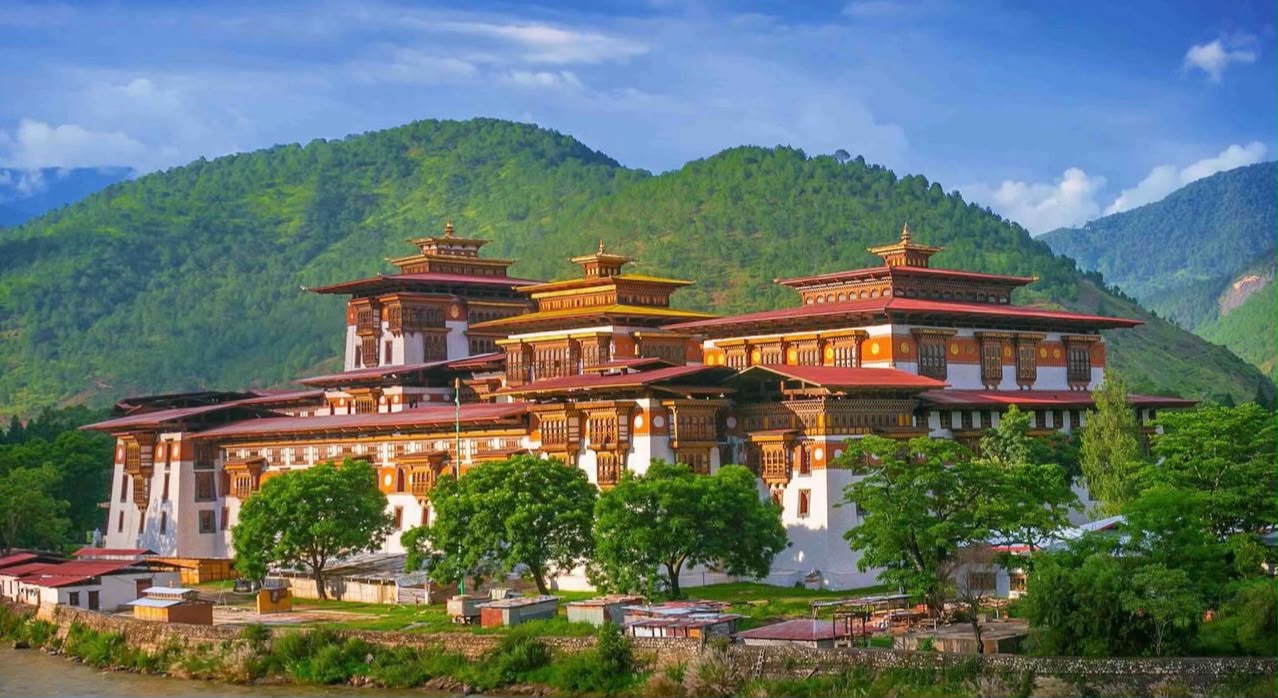
Few experiences in Bhutan are as viscerally alive as a Tshechu festival. These sacred annual celebrations — held at dzongs and monasteries across the kingdom — are a riot of color, sound, and devotion that have remained unchanged for centuries.
What is a Tshechu?
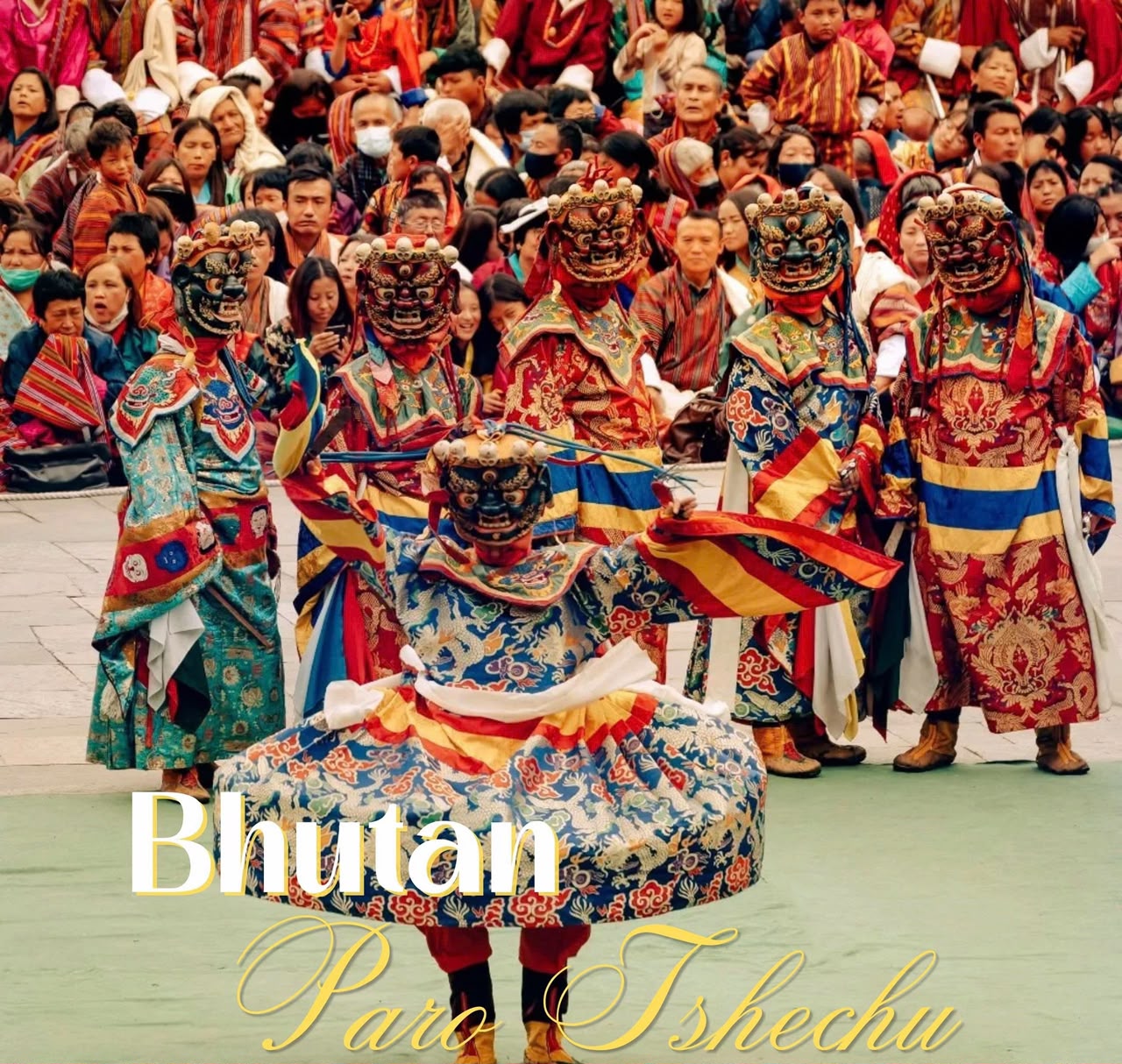
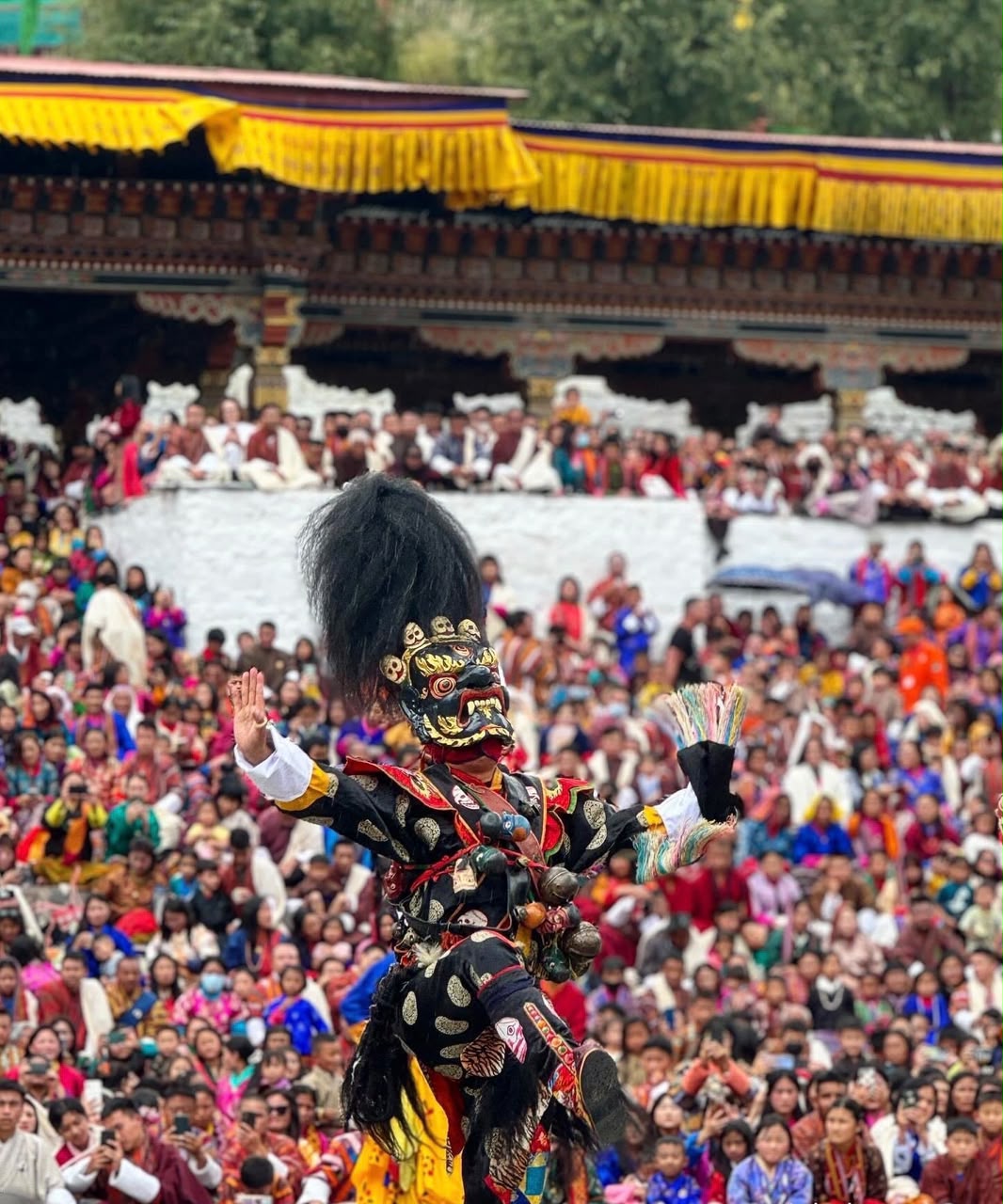
Tshechu means "tenth day" in Dzongkha — festivals are held on the tenth day of a month in the Bhutanese lunar calendar to honor Guru Rinpoche. They feature elaborate masked dances (Cham) performed by monks, each telling a story from Buddhist scripture. Attendance is believed to bring merit and cleanse sins.
To witness a Tshechu is to stand at the intersection of the sacred and the living.
— Karma Dorji, Licensed GuideMajor Tshechus to Attend
The Paro Tshechu (March–April) is the largest and most visited, culminating in the unfurling of a giant thangka at dawn. The Thimphu Tshechu (September–October) takes place in the capital and draws thousands. Each district has its own Tshechu, often less crowded and deeply authentic.
Tips for First-Time Visitors
Arrive early to secure a good viewing spot. Dress respectfully — bright colours are welcome and joyful. Do not cross in front of the dancers during performances. Bring a telephoto lens for mask dance photography. Most importantly, be present — put the camera down occasionally and simply absorb the moment.